Herbal Energetics: The Ancient Language of Herbs and How to Choose the Right Plant for Your Body
Have you ever wondered why one person swears by chamomile while another feels little benefit? Or why an herb that works beautifully for a friend leaves you feeling worse?
The answer often lies in herbal energetics.
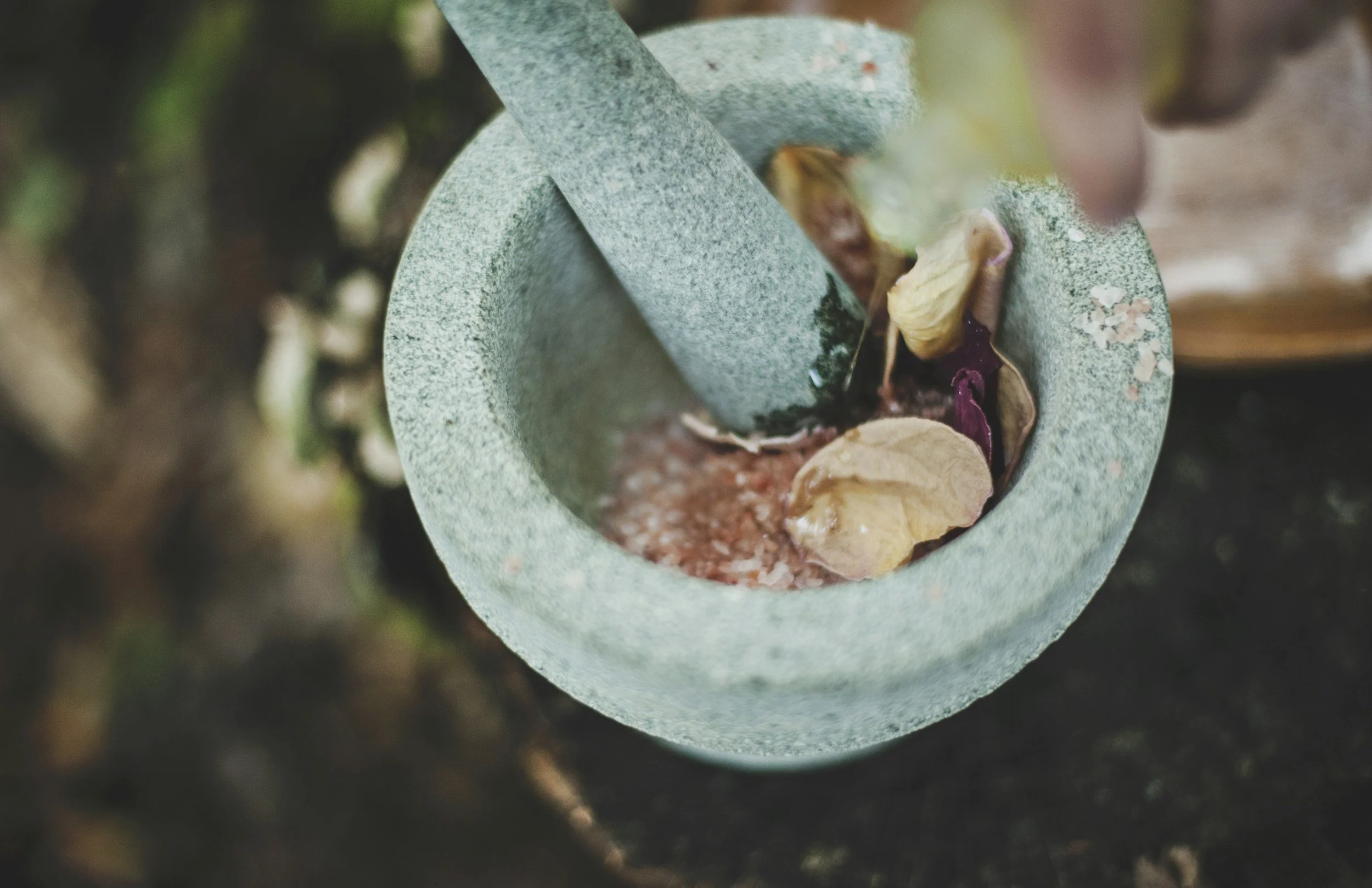
One of the most transformative concepts I learned in herbalism was that herbs are not best chosen simply by looking at a list of herbs recommended for a particular condition. Instead, we can begin to understand herbs by observing their energetics, the way they interact with the body and how they help restore balance.
Rather than asking, "What herb treats headaches?" an herbalist asks, "What is happening in this person's body, and what qualities would help restore balance?"
This perspective shifts herbalism from symptom management to individualized care.
It would be convenient if we could have one single herb that could treat the same condition in everyone, but this is not how herbs work. Choosing the wrong herb can worsen a condition while the well matched herb can do wonders to bring relief and balance to the body. When we focus in on the herbal energetics and how they work within the human body tissue states, we can effectively choose herbs to bring our bodies into balance.
History of Herbal Energetics
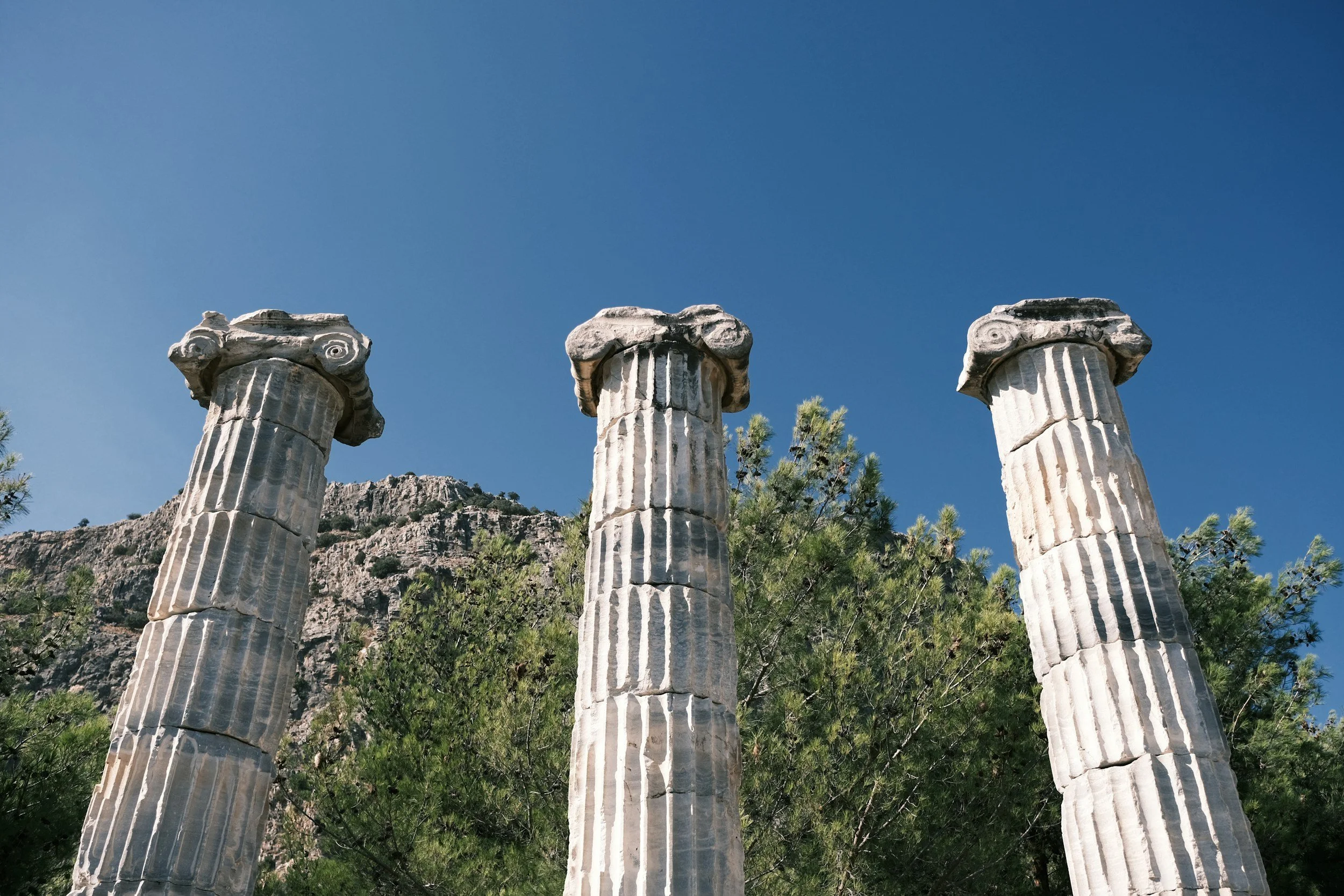
The core principle of herbal energetics can be found around the world in various herbal traditions including: Ayurveda, Chinese, Celtic, Indigenous, ancient Greek and Roman medicine, and other traditional medicine systems. My training is rooted in the Western herbal tradition, so the way I understand and practice herbal energetics comes through the lens of Western herbalism. Western herbalism is an herbal tradition that has spanned thousands of years. It is heavily influenced by the ancient healing traditions of Mesopotamia, Egypt, and Greece, evolving through the empirical observations of early physicians and apothecaries. Over centuries, it has mixed with diverse botanical traditions, within the United States, including Indigenous and African traditional healing systems.
What Is Herbal Energetics?
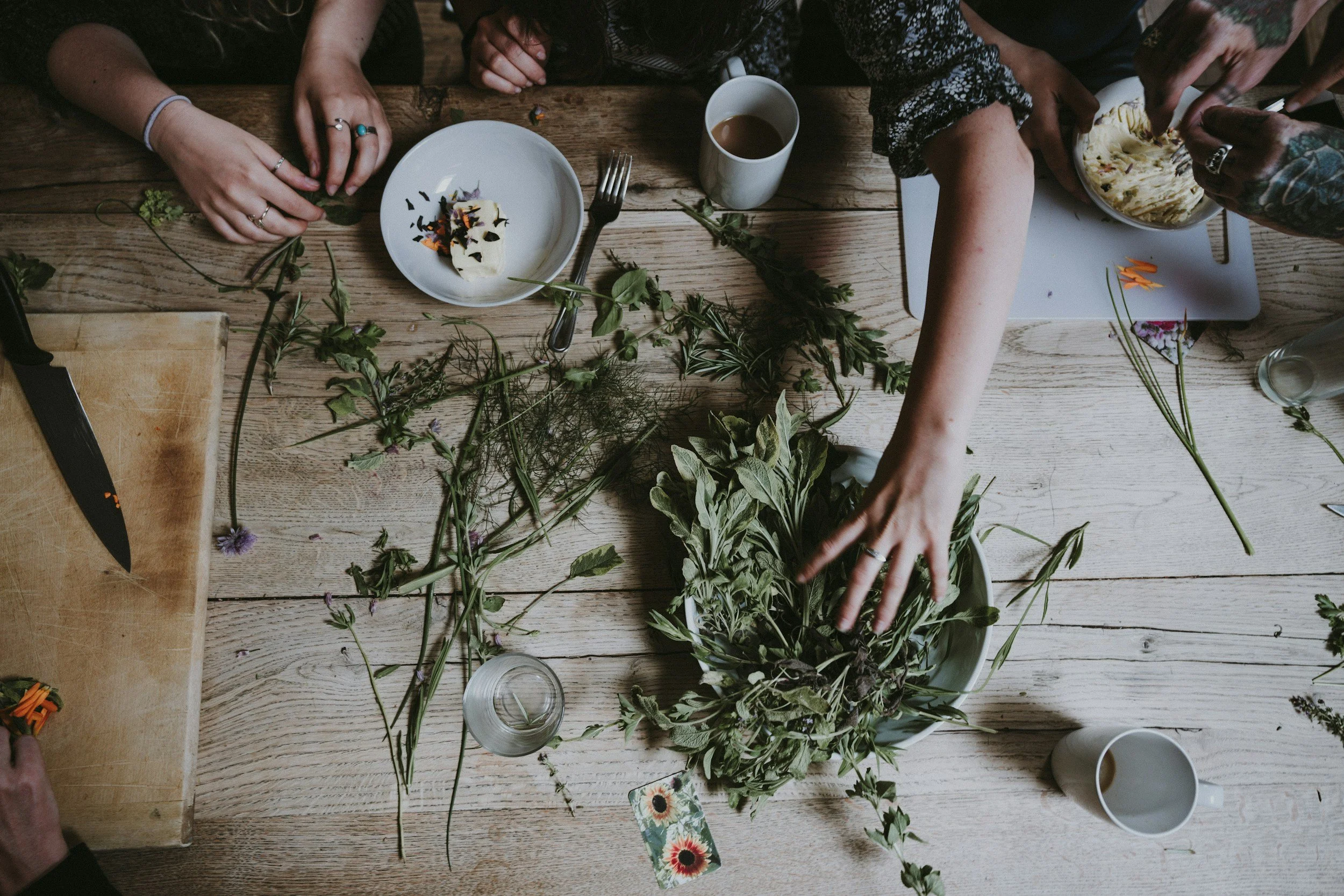
Herbal energetics is a way for us to describe the personality of a plant. For some, the word “energetics” can seem esoteric or hard to define, but energetics are a simple way to explain how an herb feels within the body. When we think about herbal energetics, there are several layers to consider. We look at a person's unique constitution, the energetic state of the body or a particular organ system, and the energetics of the herb itself. By understanding how these pieces fit together, we can choose herbs that help restore balance rather than simply address a symptom.
The Three Main Pillars of Western Herbal Energetics
In Western herbalism, every herb has its own energetic qualities, and every person has their own unique energetic pattern. The character of a plant and the body’s tissues are often described in terms of the polar opposites of temperature, moisture, and tone. While most herbs express a combination of qualities, understanding these three pillars gives us a framework for observing both the plant and the person. Our goal is to match the energetics of the herb with what the body needs to restore balance.
1. Temperature (Hot ↔ Cold)
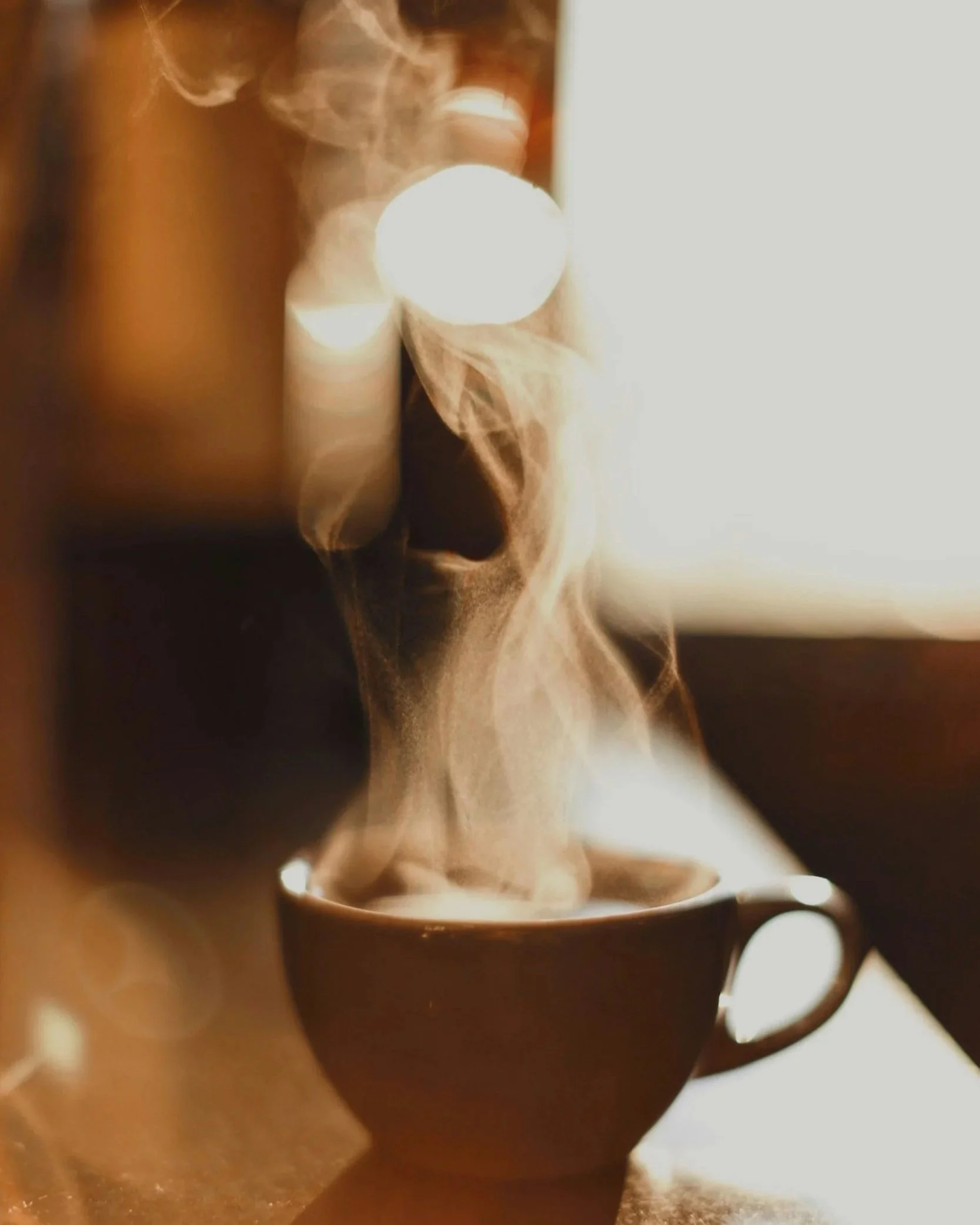
Describes whether an herb brings warmth or coolness to the body and whether a person or condition tends toward heat or cold.
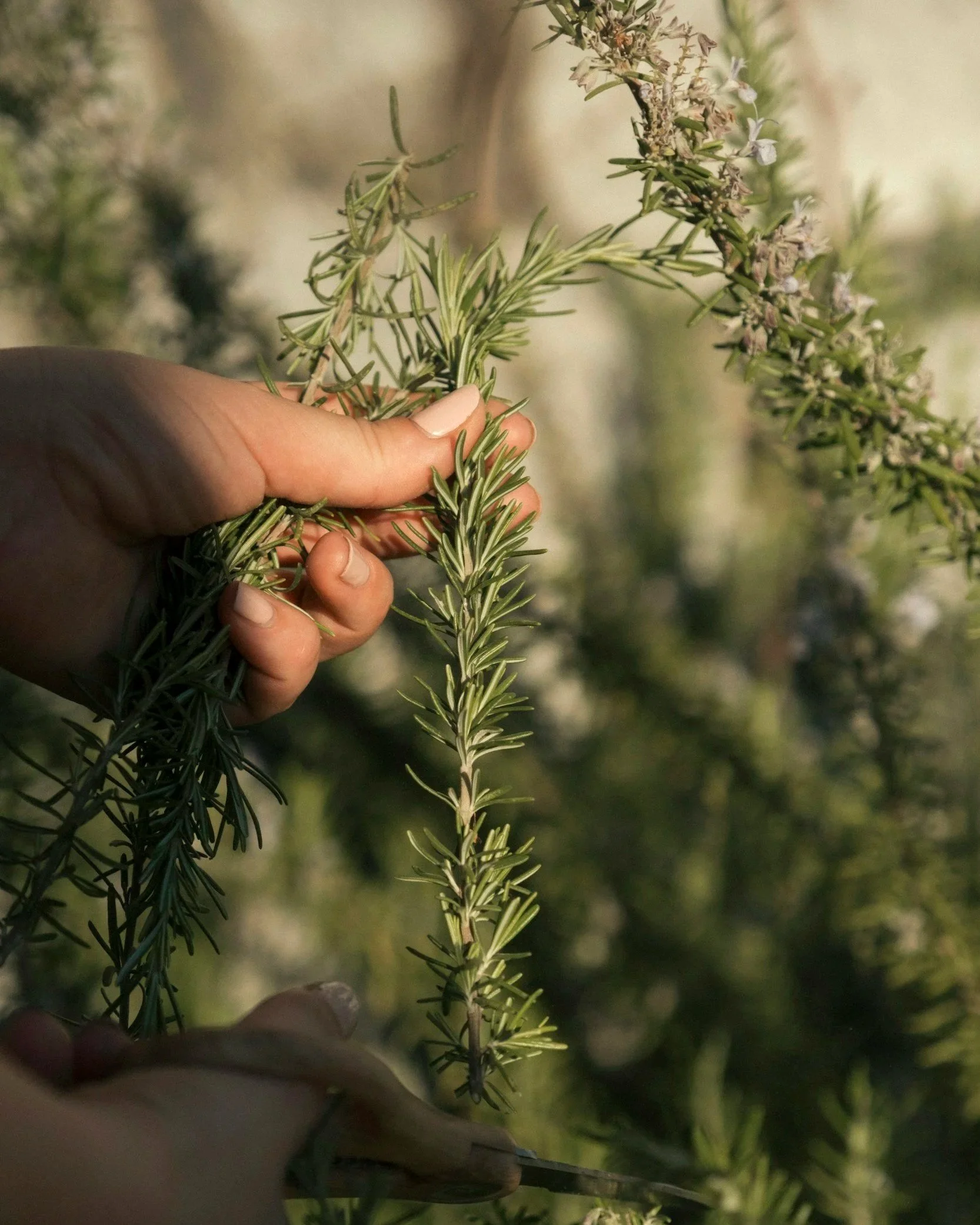
Warming herbs encourage circulation, stimulate digestion, dispel cold, and get things moving. They are often pungent or aromatic and can leave you feeling warm after taking them. Examples include: ginger, cayenne, rosemary, and cinnamon.
Cooling herbs help calm heat, inflammation, and irritation while soothing overstimulated tissues. They are often refreshing and can be bitter. Examples include peppermint, violet, blue vervain, and lemon balm.
2. Moisture (Dry ↔ Moist)
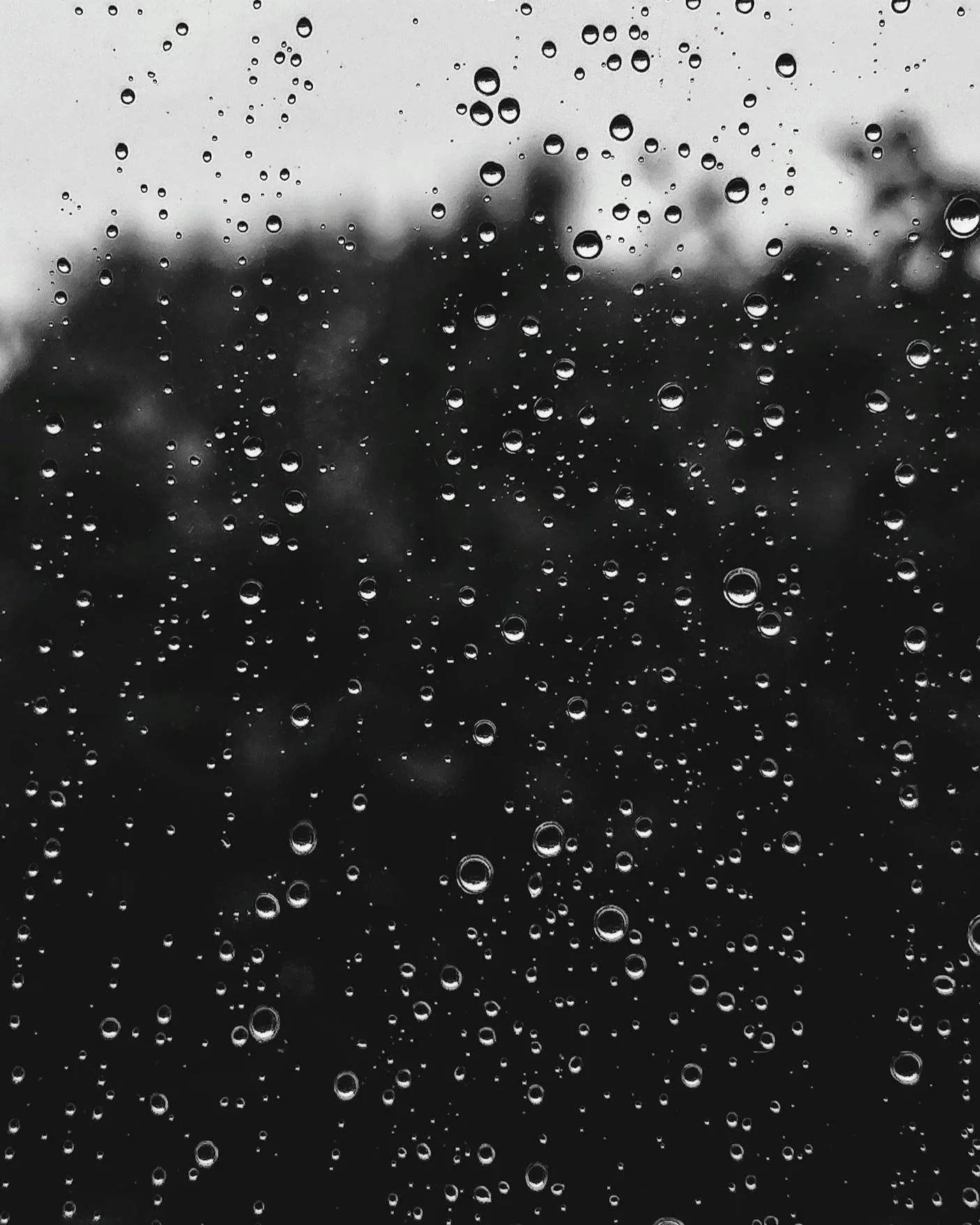
Looks at the balance of fluids and tissues, helping us understand whether something is overly dry or excessively damp.
Drying herbs reduce excess moisture, mucus, or dampness. They are often aromatic or astringent and can help dry weepy tissues or stagnant congestion. Examples include sage, thyme, yarrow, and rosemary.
Moistening herbs nourish and hydrate dry, irritated, or depleted tissues. Many are rich in mucilage, creating a soothing effect on mucous membranes. Examples include marshmallow root, slippery elm, plantain, and linden.

3. Structure/Tone (Relaxed ↔ Tense)
Refers to the tension or integrity of tissues. Herbs may help relax overly tense tissues or strengthen and tone tissues that are too lax.
Relaxing herbs help release tension, calm muscle spasms, and soothe an overactive nervous system. These herbs are often used when the body is holding excessive tightness or stress. Examples include skullcap, chamomile, passionflower, and lavender.
Toning herbs strengthen tissues that have become weak, lax, or depleted. They help restore integrity and resilience over time. Herbs with astringent properties, such as raspberry leaf, oak bark, witch hazel, and rose, are often considered toning herbs.
This framework is commonly taught in Western herbalism because it encourages us to ask not only what is happening in the body, but how it is happening, allowing us to choose herbs that support a return to balance.
How to Choose the Right Herbs
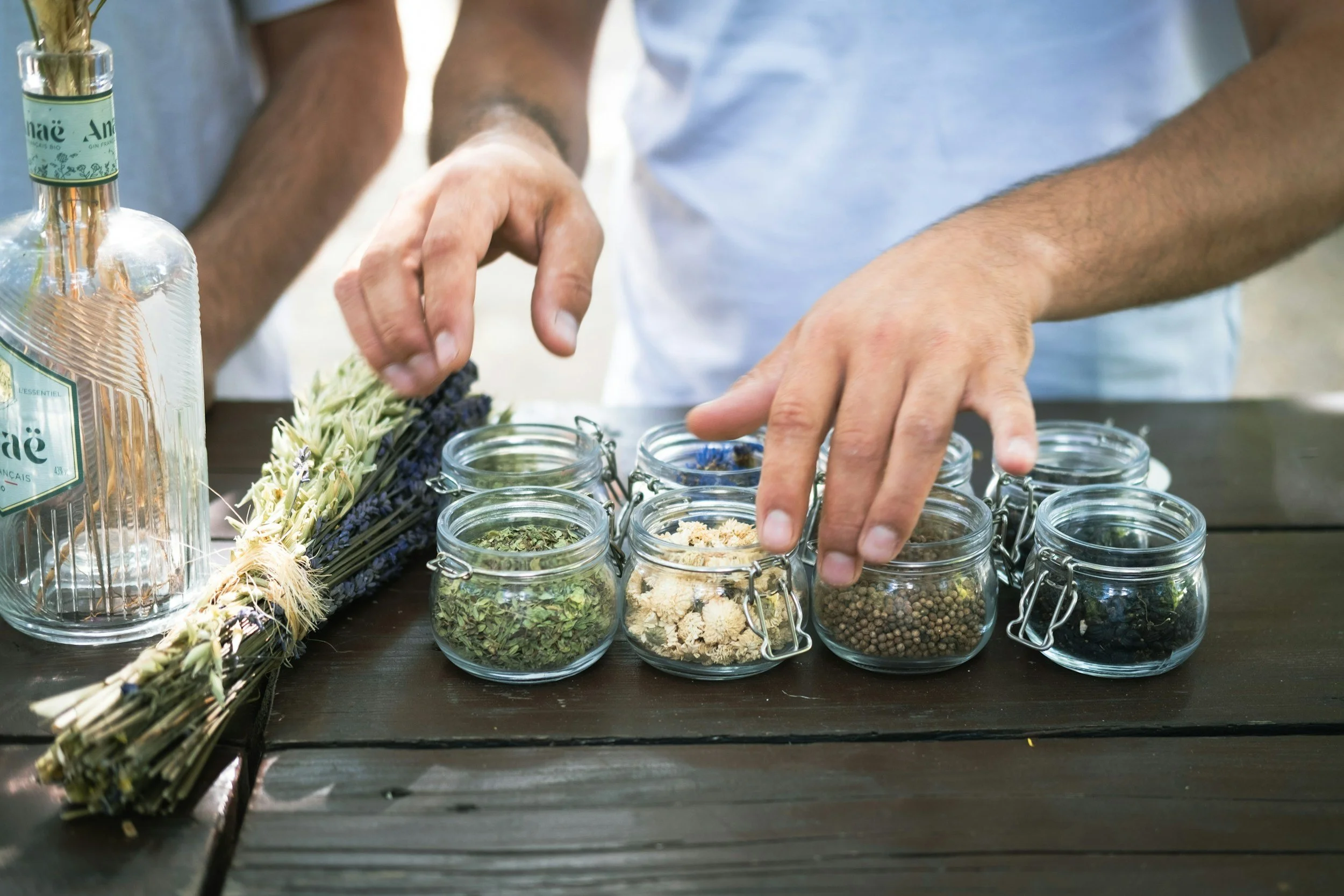
When we think about herbal energetics, there are several layers to consider. We look at a person's unique constitution, the current energetic state of the body or a particular organ system, and the energetics of the herb itself. By understanding how these pieces fit together, we can choose herbs that support the body's natural ability to restore balance rather than simply addressing a symptom.
In Western herbalism, we generally choose herbs whose energetics help balance the current tissue state. For example, a warming herb may be appropriate for someone experiencing signs of coldness, while a moistening herb may benefit tissues that have become overly dry. The goal is not to force the body in one direction, but to gently encourage it back toward equilibrium and homeostasis.
That said, herbal energetics are rarely as simple as matching opposites. Tissue states often overlap, change over time, or present differently from person to person. A single individual may exhibit both heat and dryness, or cold and dampness, in different organ systems. This is why herbalism is an art as much as a science. Rather than relying on rigid lists of symptoms, we observe the whole person, consider the underlying patterns, and choose herbs that best support their unique state of balance.
Applying Herbal Energetics
Herbal energetics is often considered one of the more advanced subjects within herbalism because of its many nuances. While the concepts of temperature, moisture, and tone are relatively simple to understand, learning how to apply them in real life takes time, observation, and experience.
As you deepen your study, you'll begin to notice that every plant has a unique personality, and every person presents a unique pattern. The more herbs you taste, smell, observe in the landscape, and work with, the more intuitive these energetic patterns become. Rather than memorizing lists of herbs for specific conditions, you'll develop the skills to understand why a particular herb is the right choice for a particular person.
Herbal energetics invites us to slow down and become better observers, not only of plants, but of ourselves. It reminds us that healing is rarely one-size-fits-all. Instead, it is a relationship between the individual, the plant, and the wisdom that emerges when we truly pay attention.
If this way of thinking resonates with you, I encourage you to continue your study of herbal energetics. It is a lifelong practice that deepens with every season, every plant you meet, and every person you have the privilege of helping.
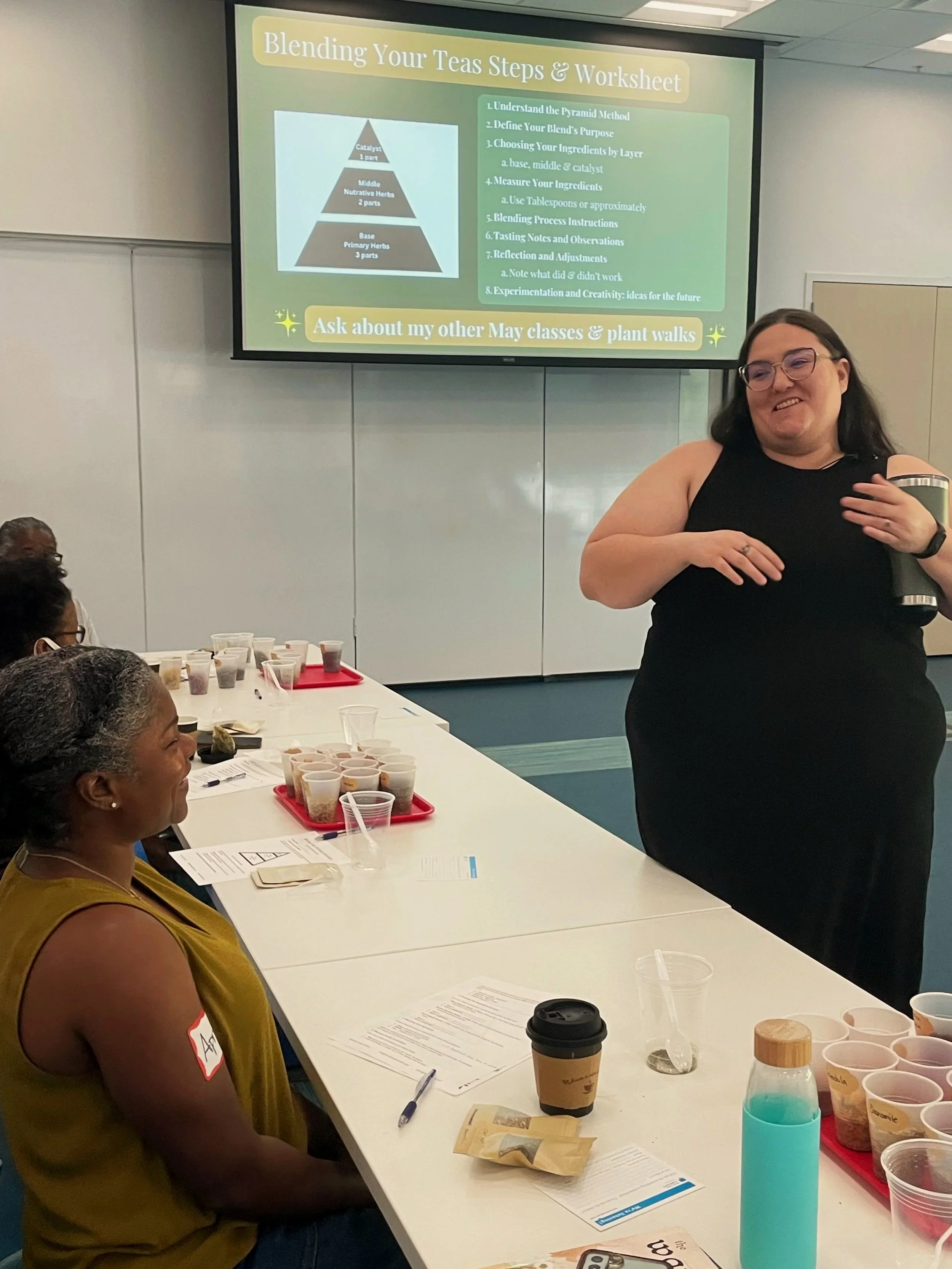
One of my greatest joys is helping others build confidence in understanding herbs through the lens of Western herbalism. Whether you're just beginning your herbal journey or looking to deepen your existing knowledge, my classes are designed to help you move beyond memorizing herbs and toward truly understanding how plants work within the body. Together, we'll explore herbal energetics through hands-on learning, plant observation, medicine making, and practical applications that you can confidently use in your everyday life.
I invite you to join me for an upcoming class, plant walk, or workshop and continue learning the language of the plants. The more we cultivate relationships with the herbs growing around us, the more they reveal their wisdom and their remarkable ability to support our health and reconnect us with the natural world.
Cited Literature
de la Forêt, R., & Han, E. (2020). Wild remedies: How to forage healing foods and craft your own herbal medicine. Hay House.
Groves, M.N. 2016. Body into Balance. Storey Publishing, LLC.
Maier, K. 2021. Energetic herbalism: A guide to sacred plant traditions integrating elements of vitalism, Ayurveda, and Chinese medicine. Chelsea Green Publishing.
Miss Anne's Maypop Herb Shop. 2024. A beginner's guide to herbal energetics. <https://missannesmaypopherbshop.com/beginners-guide-herbal-energetics/>. Accessed 3 July 2026.
Nebesni, J. 2025. Basic guide to herbal energetics + herb list. Mountain Rose Herbs. <https://blog.mountainroseherbs.com/the-basics-of-herbal-energetics>. Accessed 2 July 2026.
Pole, S. 2024. An introduction to herbal energetics. Herbal Reality. <https://www.herbalreality.com/herbalism/western-herbal-medicine/an-introduction-to-herbal-energetics/>. Accessed 2 July 2026.
Popham, S. 2019. Evolutionary herbalism: Science, spirituality, and medicine from the heart of nature. North Atlantic Books
Wood, M. 2004. The Practice of Traditional Western Herbalism. North Atlantic Books.
Note: Information here is not intended to be medical advice, rather it is educational information. Please be sure to contact a licensed medical professional before consuming any plants. This information is not intended to diagnose, treat, prevent, or cure any illness. The information in this blog has not been evaluated by the FDA.