Top Herbalism Books
Whether you’re just beginning your herbalism journey or looking to deepen your relationship with plant medicine, the right books can become some of your most trusted teachers.
Herbalism is both science and story, tradition and intuition. It is a lifelong practice of learning the plants, understanding their gifts, and remembering our connection to the natural world. While hands-on experience with herbs is essential, books can offer invaluable guidance, helping you build a strong foundation in plant identification, medicine making, energetics, and the rich traditions that shape herbal practice.
Over the years, I’ve collected books that have informed and inspired my own path as an herbalist, forager, and ecologist. Some are practical field guides I return to again and again. Others invite a deeper, more soulful relationship with the plants.
Whether you’re seeking beginner-friendly herbal references, trusted materia medicas, or books that weave together ecology and plant wisdom, here are some of my favorite herbalism books to add to your shelf.
You’ll find them organized into five helpful categories:
🌿 Beginner/General Herbalism Books
🌿 Herbal Gardening Books
🌿 Herbal Medicine-Making Books
🌿 Indigenous Herbalism Books
🌿 Thought-Provoking Herbalism Reads
Let’s dig in!
The Best Beginner/General Herbalism Books
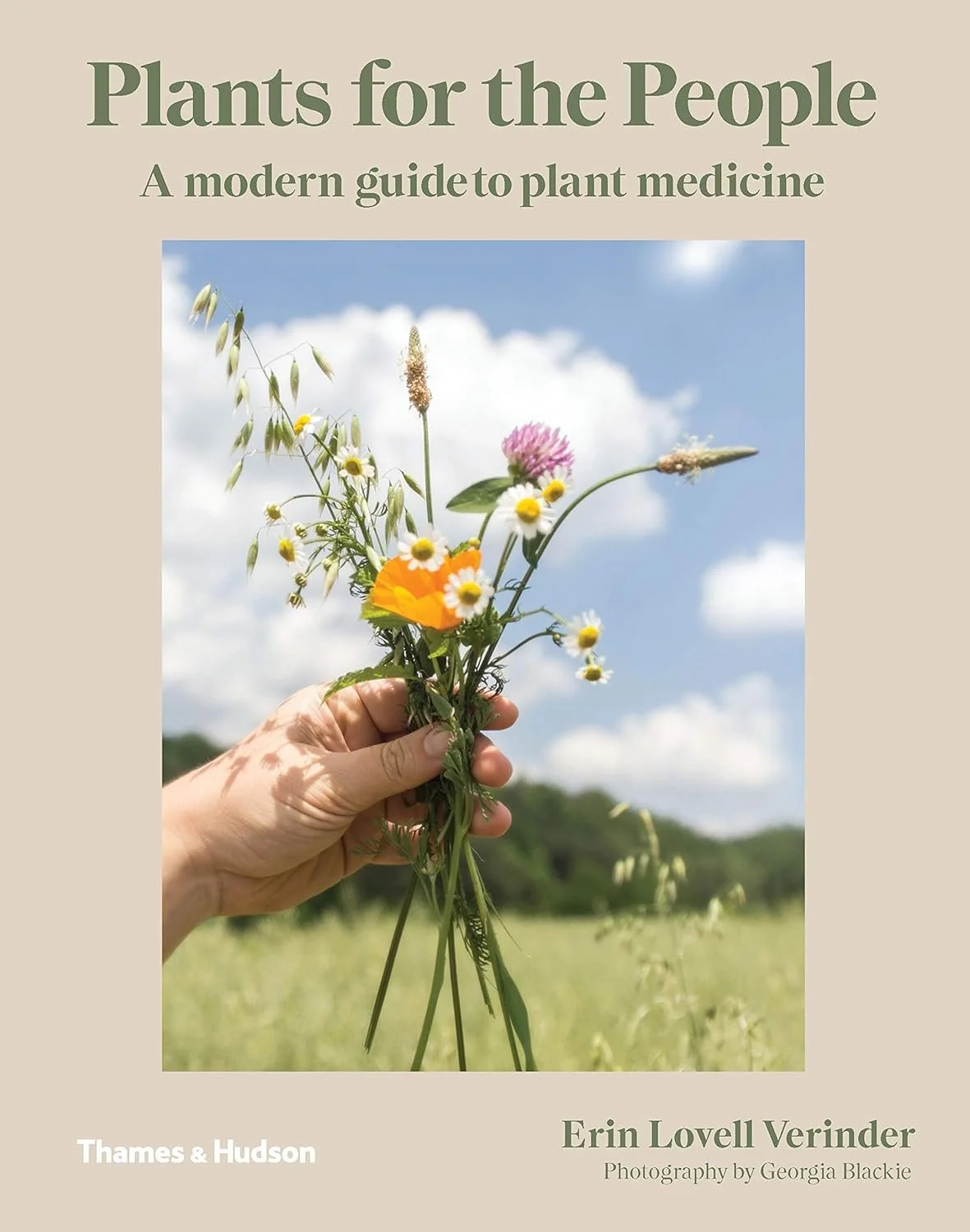
Plants for the People
by Erin Lovell Verinder
This book is an introduction to plants and their healing powers. Verinder, masterfully weaves ancient traditional knowledge with a modern approach to plant medicine.
She openly discusses the spiritual nature of working with herbal medicine in a way that isn’t pushy. The overall feel of the book is a simple, clean aesthetic with gorgeous photography. What I love most about this book is that she focuses on plants that are accessible to a wide variety of people, especially the “weedy” plants. This is a herbal resource I recommend as a first book into herbalism for those who don’t know anything about the subject. It covers the right amount of information in a simple, easy to follow format.
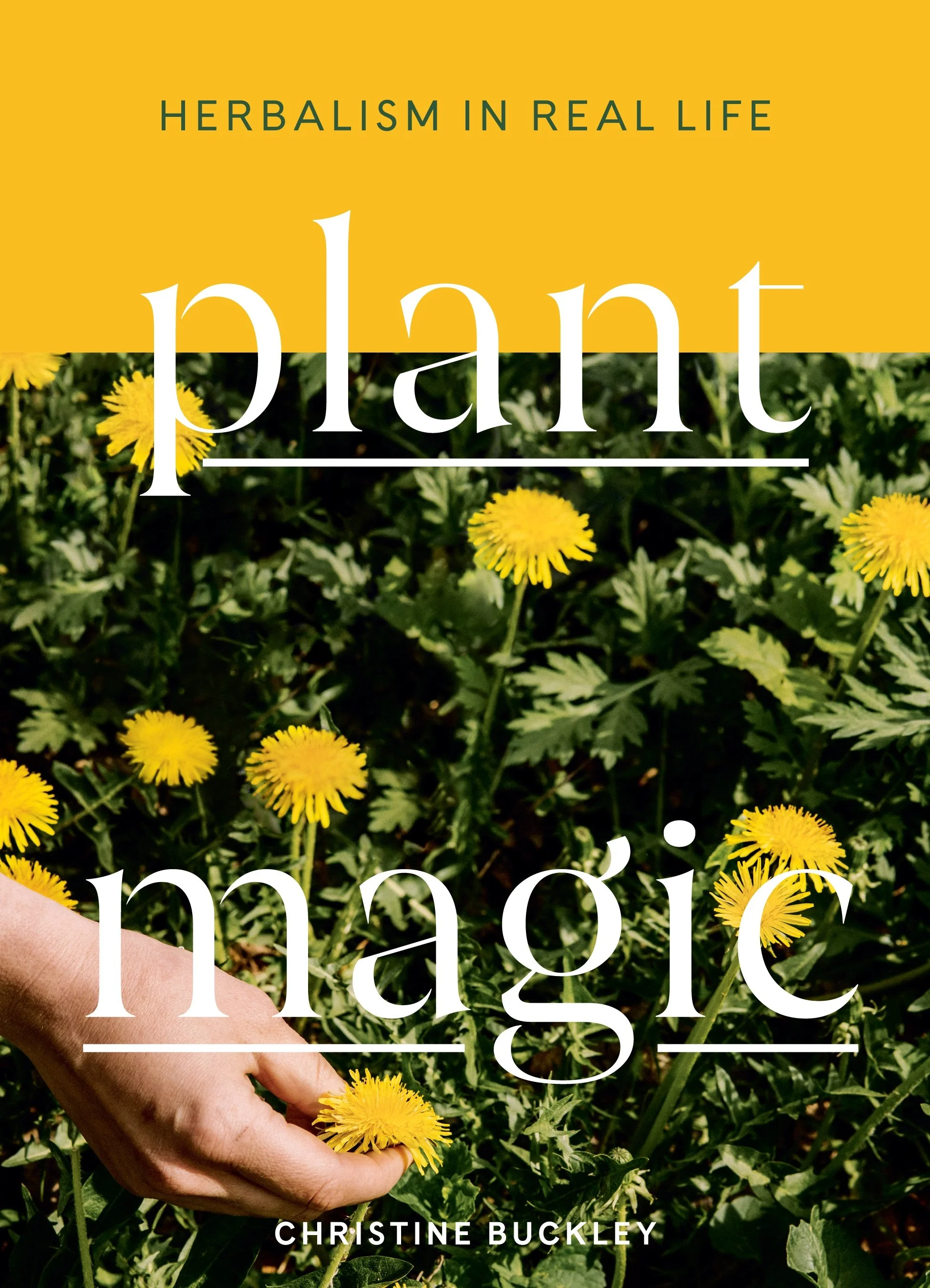
Plant Magic: Herbalism in Real Life
by
Christine Buckley
I read this book several years into my herbal journey, but as soon as I opened the first page, I felt a connection. This herbalism book is great for beginners to experienced herbalists. Buckley provides information on how to determine your constitution (hot/cold, moist/dry, relaxed/tense) and uses the constitution of plants to balance ailments, which I don’t see offered in every beginner herbalism book. It is practical for anyone who wants to learn more about the basics on herbalism, identifying plants, growing them, and using them to make herbal medicines for home use. She provides step-by-step instructions on how to make salves, tinctures, herbal honeys, oxymels, and much more. She guides you through the steps of how to know which medicinal preparation is best for the plant material and the health issue you are exploring. There are about 20 plant profiles, where she goes into depth about each plant: what they are best for, how to grow them, and how to use them. The author’s tone is friendly, and her writing is straightforward. This book is inspiring and approachable, helping you to enjoy herbs in your daily life.
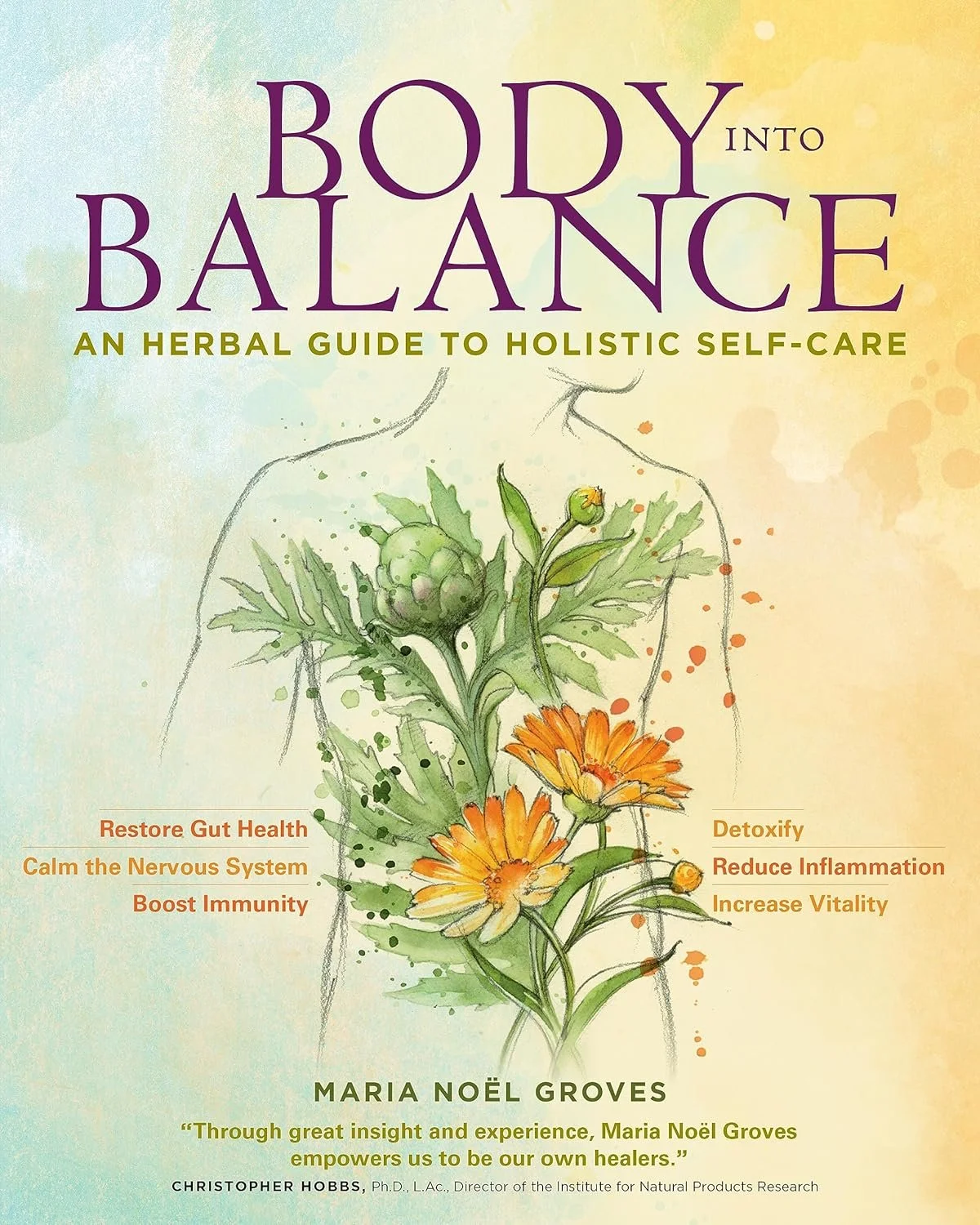
Body into Balance: An Herbal Guide to Holistic Self-Care
by Maria Noel Groves
This book has revolutionized how herbal students understand the major body systems and how to correctly match herbs with common ailments. This is considered a foundational herb book in many herbal schools because it does such an excellent job of making physiology accessible and easy to understand. All of the information in this book is rich and well researched. It not only focuses on herbs, but also discusses whole-body health: both acute and chronic conditions, as well as mental health, emotional health, physical health, nutrition, and sleep. Maria Noel Groves is a Registered Herbalist with the American Herbalist Guild, and is well respected as being a go-to source for herbal information. While some may not view this as beginner material, it is written and organized so clearly that I think all levels of herbal understanding could find great use with the information provided in the book. This absolutely is a must-have resource on any herbalists’ bookshelf!
The Best Herbal Gardening Books
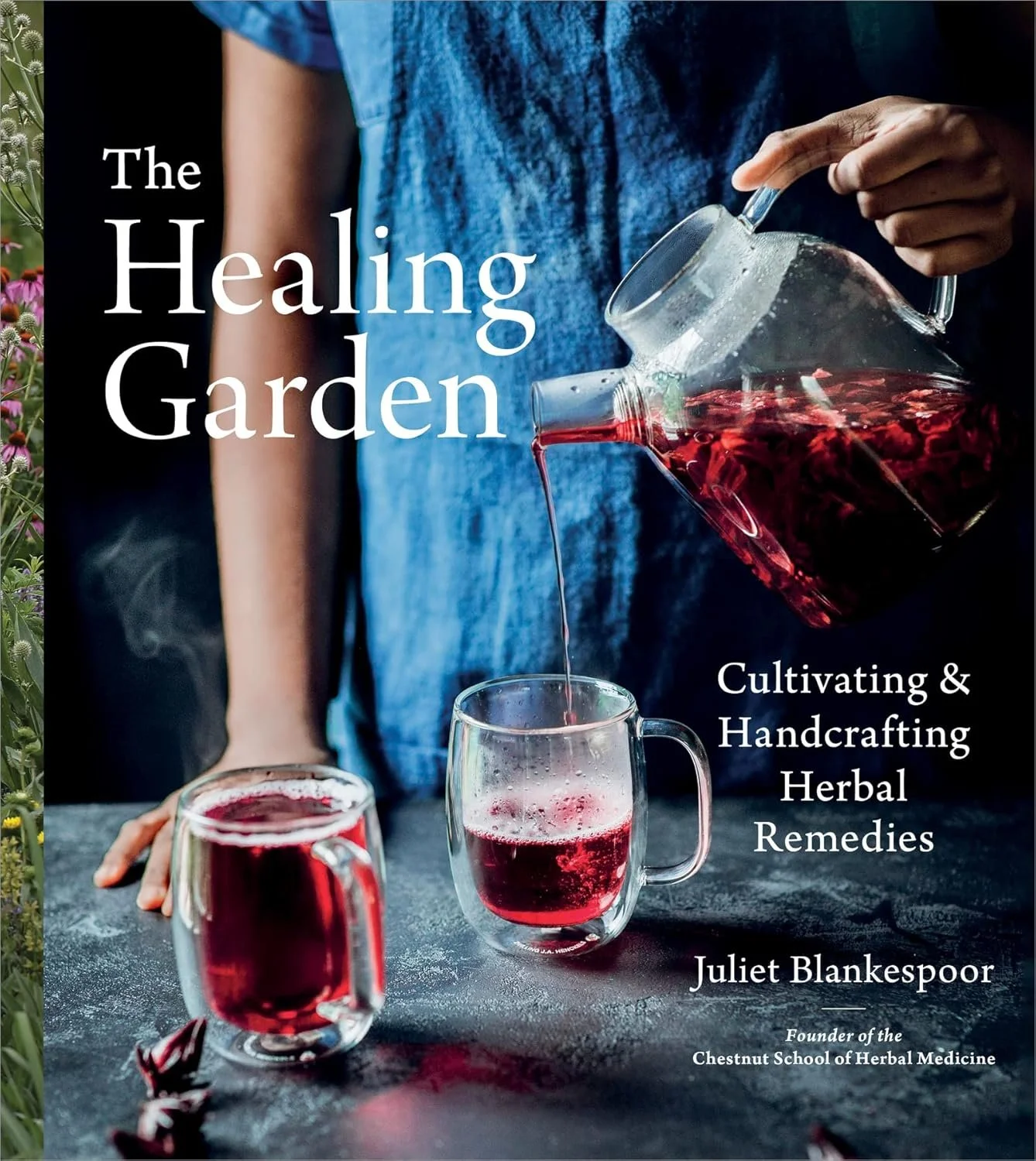
The Healing Garden: Cultivating & Handcrafting Herbal Remedies
by Juliet Blankespoor
This book features the most gorgeous herb photography I have ever seen, making it a work of art with the pictures alone. Juliet Blankespoor, from the founder of the Chestnut School of Herbal Medicine, wrote this amazing garden guide to teach you how to grow and use healing plants in an accessible and inspiring manner. This truly is the ultimate herbal gardening reference for anyone wanting to start their own herbal home apothecary. She also teaches you how to harvest, dry, and process your herbs for herbal medicine making. Additionally, she provides 70 recipes for teas, tinctures, oils, salves, syrups, and everyday foods. You don’t need to be a master gardener to glean tons of information from this book.
Growing At-Risk Medicinal Herbs: Cultivation, Conservation, & Ecology
by Richo Cech
While I don’t consider this a beginner’s gardening book, I do find it an invaluable resource for gardening at-risk native plants in the United States. One of the most sustainable things that we can learn to do as gardeners is grow more native plants, especially those that are at-risk of extinction. This book is all about learning how to help at-risk medicinal plant populations through cultivation. The plants in this book are becoming rare in their local habitats because they are challenging to grow, but I can attest that I have successfully been able to grow many of these plants by following the advice from this book. This book is for you if you are interested in growing: black cohosh, bloodroot, blue cohosh, echinacea, American ginseng, goldenseal, kava kava, lady's slipper orchid, lomatium, osha, peyote, slippery elm, stillingia, sundew, trillium, false unicorn, true unicorn, Venus flytrap, Virginia snakeroot, or American wild yam. Learning to grow these at-risk medicinal plants is a highly rewarding process, and this book will help you achieve that!
The Best Herbal Medicine-Making Books
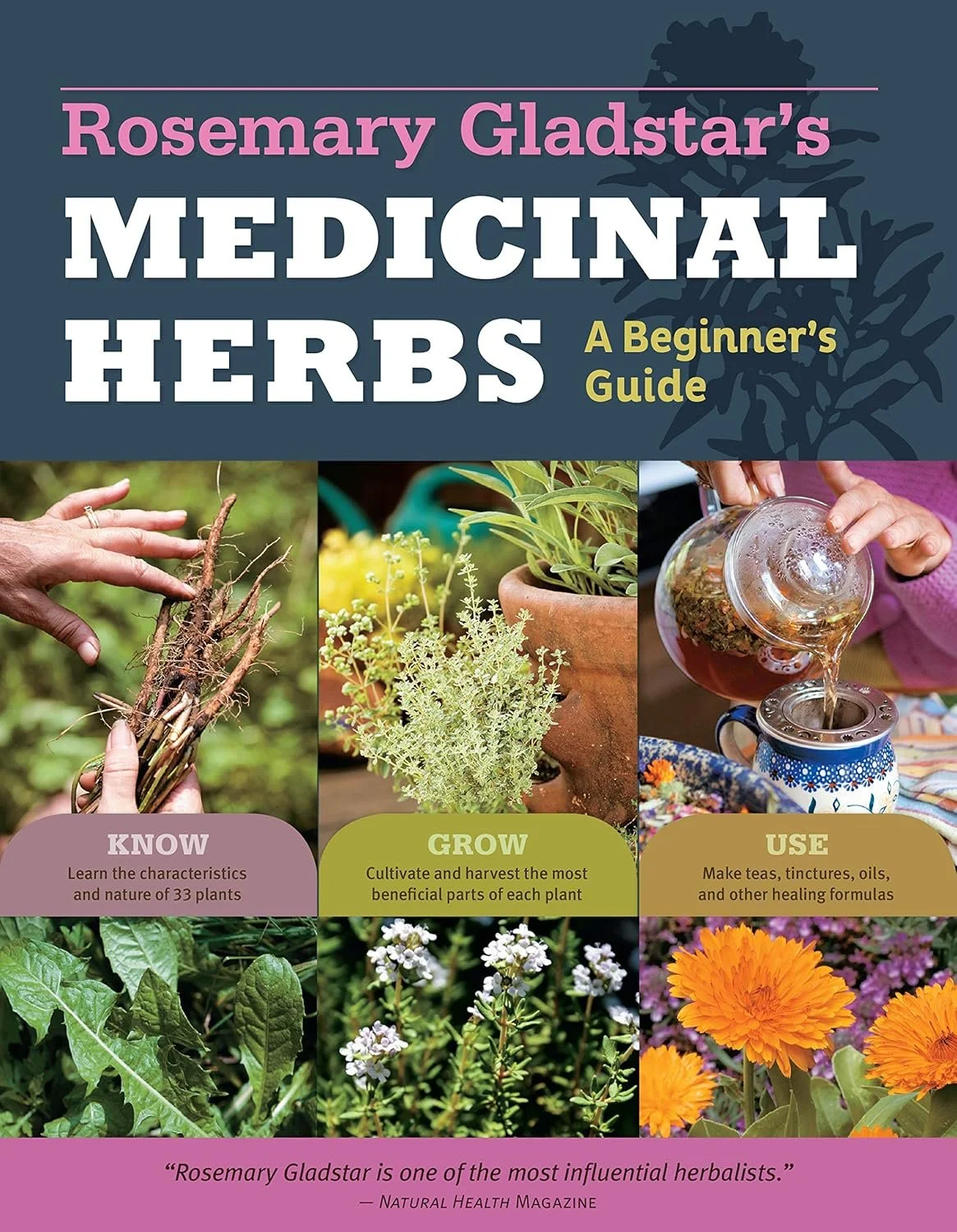
Rosemary Gladstar's Medicinal Herbs: A Beginner’s Guide
by Rosemary Gladstar
If you are new to herbal medicine, this book is a great starting point. Often referred to as the “godmother of modern herbal medicine,” Rosemary Gladstar presents an approach that is both simple and easy to grasp. This book offers excellent, in-depth instructions for crafting basic herbal remedies at home. It is exceptionally user-friendly, featuring detailed photographs of plants and recipes. Gladstar offers guidance on growing, harvesting, and healing with 33 common healing plants. Every time I open this book, I am always impressed with the concise and clear information. And her recipes are always simple yet effective!
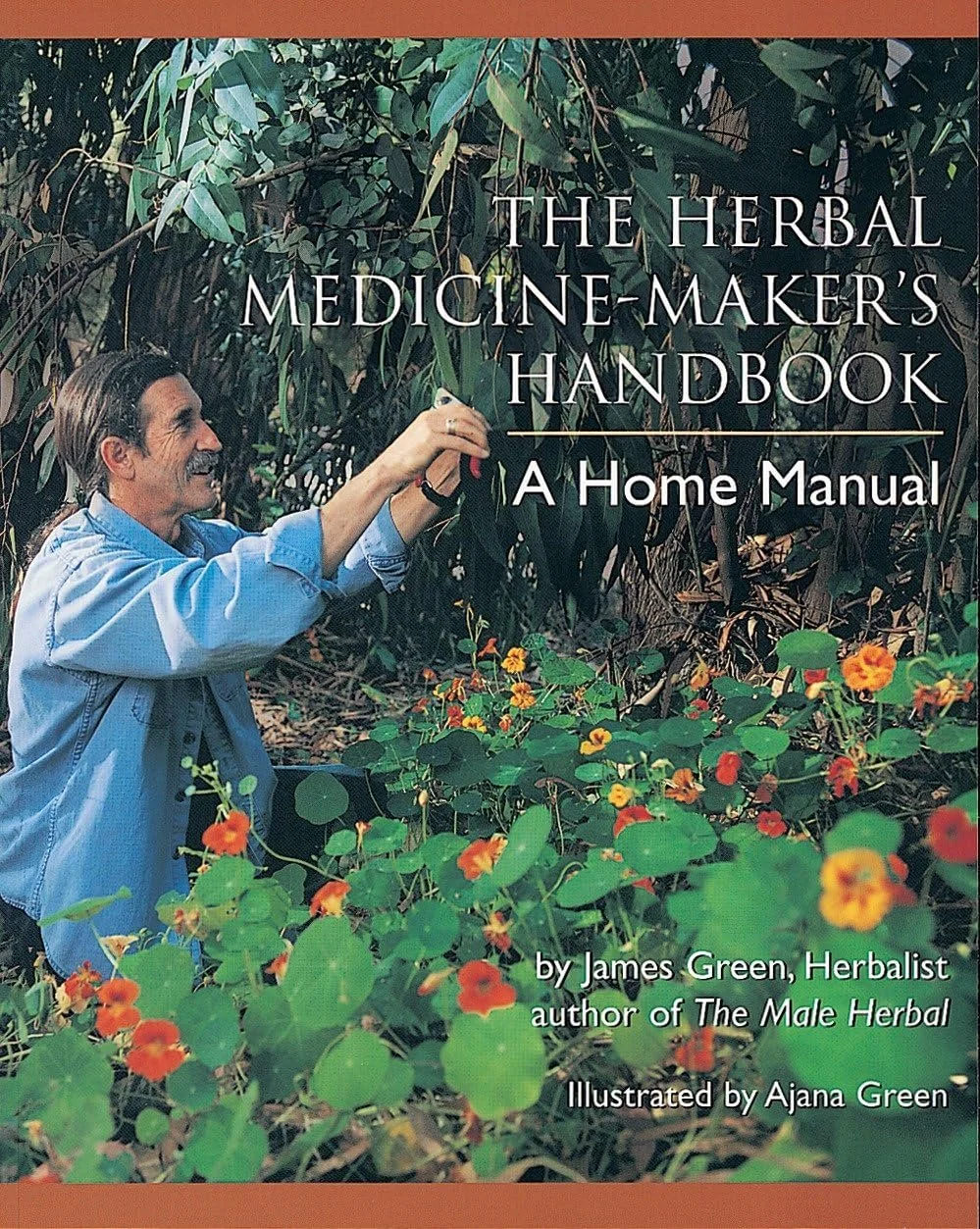
The Herbal Medicine-Maker’s Handbook : A Home Manual
by James Green
This book is an essential resource for anyone wanting to advance their medicine-making skills. It covers a vast amount of herbal preparations and has helpful charts for quick reference. The tone is friendly, conversational, and easy to understand. Whether a beginner or an experienced herbalist, this book empowers you to create safe, effective herbal remedies for your health and well-being.
Indigenous Herbalism Books
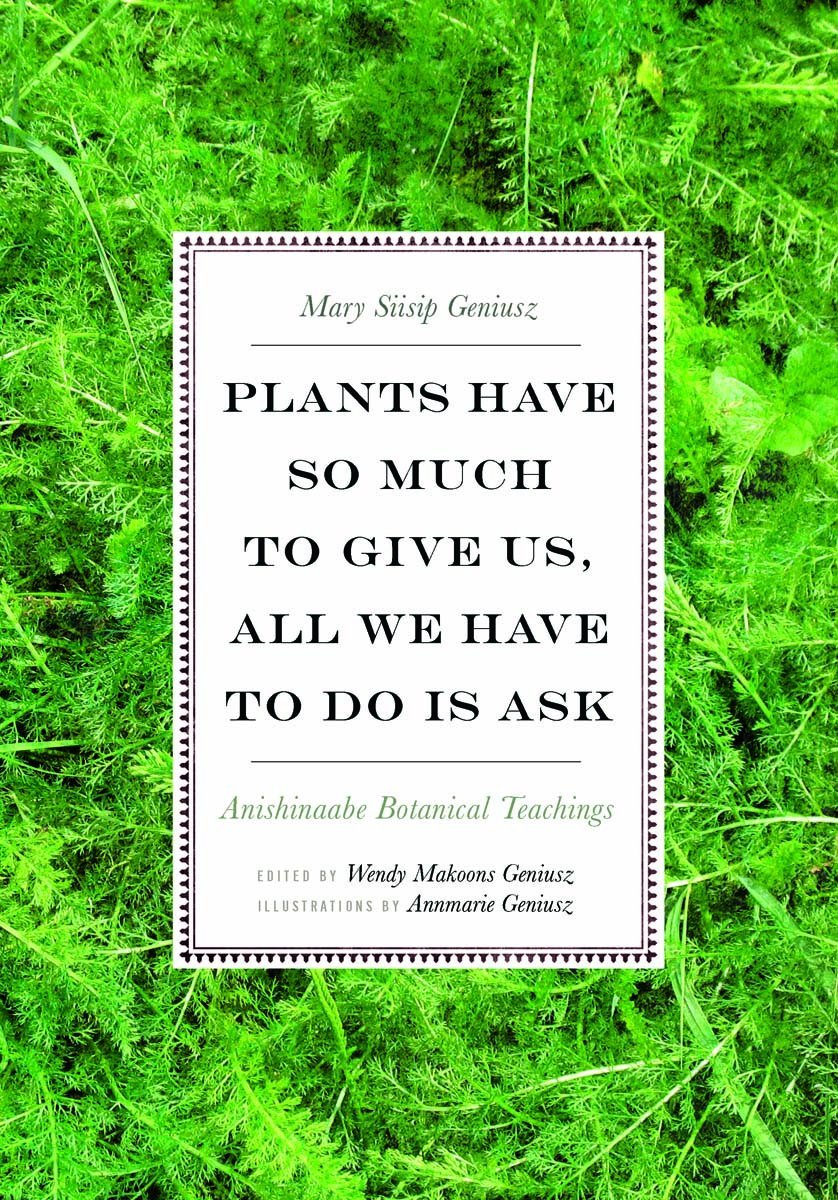
Plants Have So Much to Give Us, All We Have to Do Is Ask
by Mary Siisip Geniusz
This book is one of my all-time favorite herbal books. Mary Siisip Geniusz is an Indigenous woman who has worked with Anishinaabe plant teachings for over 30 years. She teaches through traditional stories and personal experiences, immersing you in living relationships with the plant world. Her cultural knowledge is invaluable, and her depth of knowledge on plant uses, their meanings, and history is awe-inspiring. She teaches us how to respectfully relate to the plants and come into right relationship with them. Most of the plants she focuses on are located in the Midwest but many of the plants can be found throughout the Eastern United States. Geniusz covers a large variety of plants and provides instructions on how to create food, medicine, and tools. This book is a must-have for any herbalist!
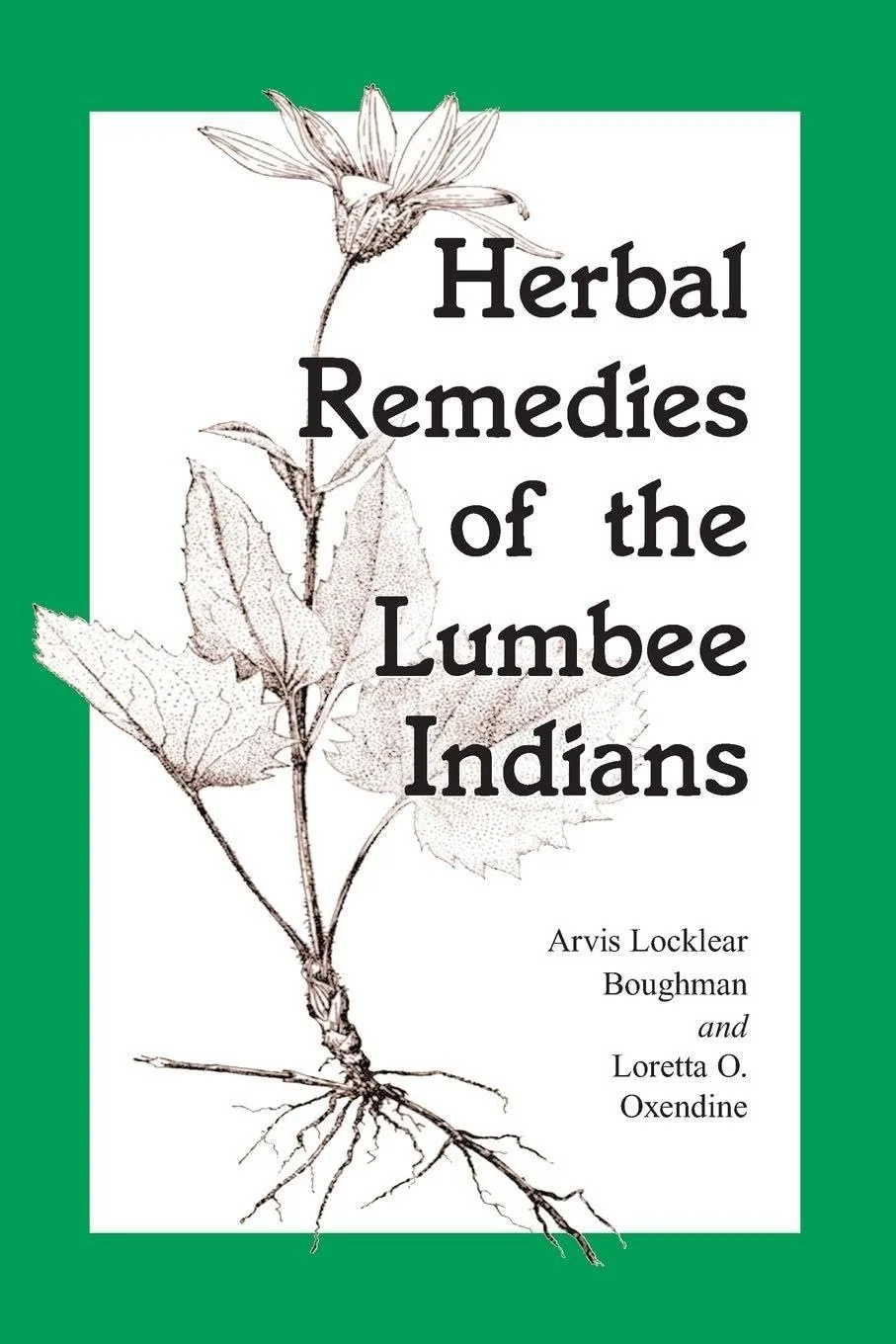
Herbal Remedies of the Lumbee Indians
by Arvis Locklear Boughman & Loretta O. Oxendine
This book has a very special place in my heart because it was written by my people, the Lumbee. The first section of the book contains various plants and herbal remedies used by the Lumbee, both historically and still carried forward today. There are remedies for various ailments, including cancer, digestive issues, hypertension, parasitic disease, asthma, pregnancy, and many others. The second portion of the book focuses on the wellness philosophies of living Lumbee elders, healers, and community leaders. What makes this book especially meaningful is the way it weaves together personal interviews and memories, preserving stories of plants and herbal medicine through the voices of tribal members themselves. If you live in the Southeast, this is an amazing reference book for many local plants for herbal medicine.
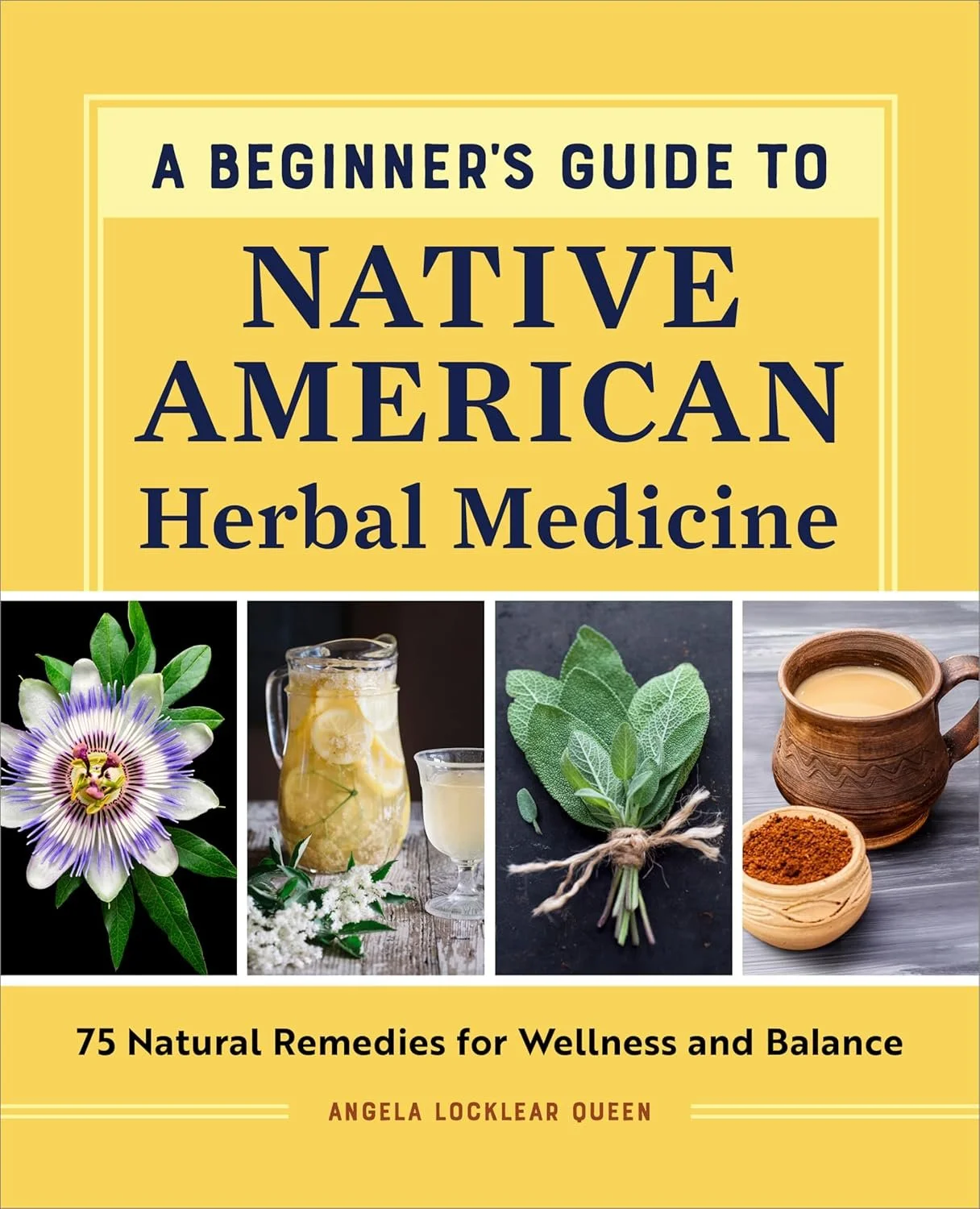
A Beginner’s Guide to Native American Herbal Medicine
by Angela Locklear Queen
I love this book for many reasons, but especially because it was written by my dear friend, Angela Locklear Queen. I’ve known Angela for many years and remember when she was in the process of writing it, which makes reading it feel even more special. Angela is an Indigenous herbalist and an enrolled member of the Lumbee Tribe, and this book beautifully explores how various Native American tribes have used, and continue to use, herbs for healing. She shares not only the wisdom of traditional plant medicine, but also so many delicious recipes to try and enjoy in your own home. What I especially appreciate is how she encourages readers to cultivate a deeper relationship with the land around them, reminding us that healing begins with connection. This is more than just an herbal book. It is an invitation to learn, remember, and reconnect. In my opinion, it belongs on every bookshelf.
The Best Thought-Provoking Herbalism Books
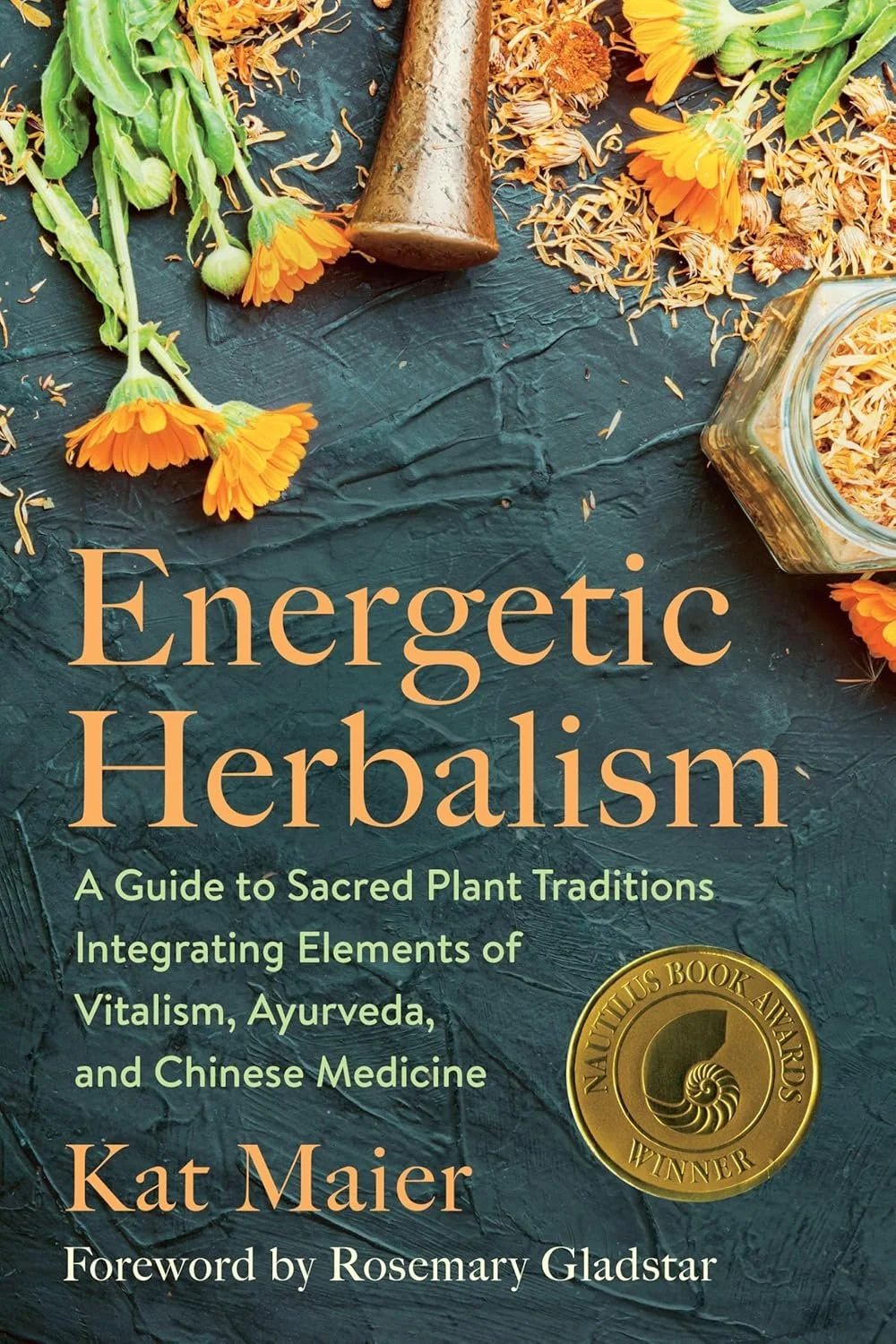
Energetic Herbalism: A Guide to Sacred Plant Traditions Intregrating Elements of Vitalism, Ayurveda, and Chinese Medicine
by Kat Maier
Understanding herbalism energetics is foundational to understanding how herbs work in the body and how to correctly match them with people. Energetic herbalism can seem esoteric, but Maier distills the information, making it easy to understand. She has extensive knowledge from studying various healing traditions, which shows in her teachings. She perfectly blends theory and practice to help you understand plants and people more deeply. This book contains 25 essential herbs for your apothecary. This isn’t a beginner-level book, but it is absolutely necessary to deepen your herbal practice.
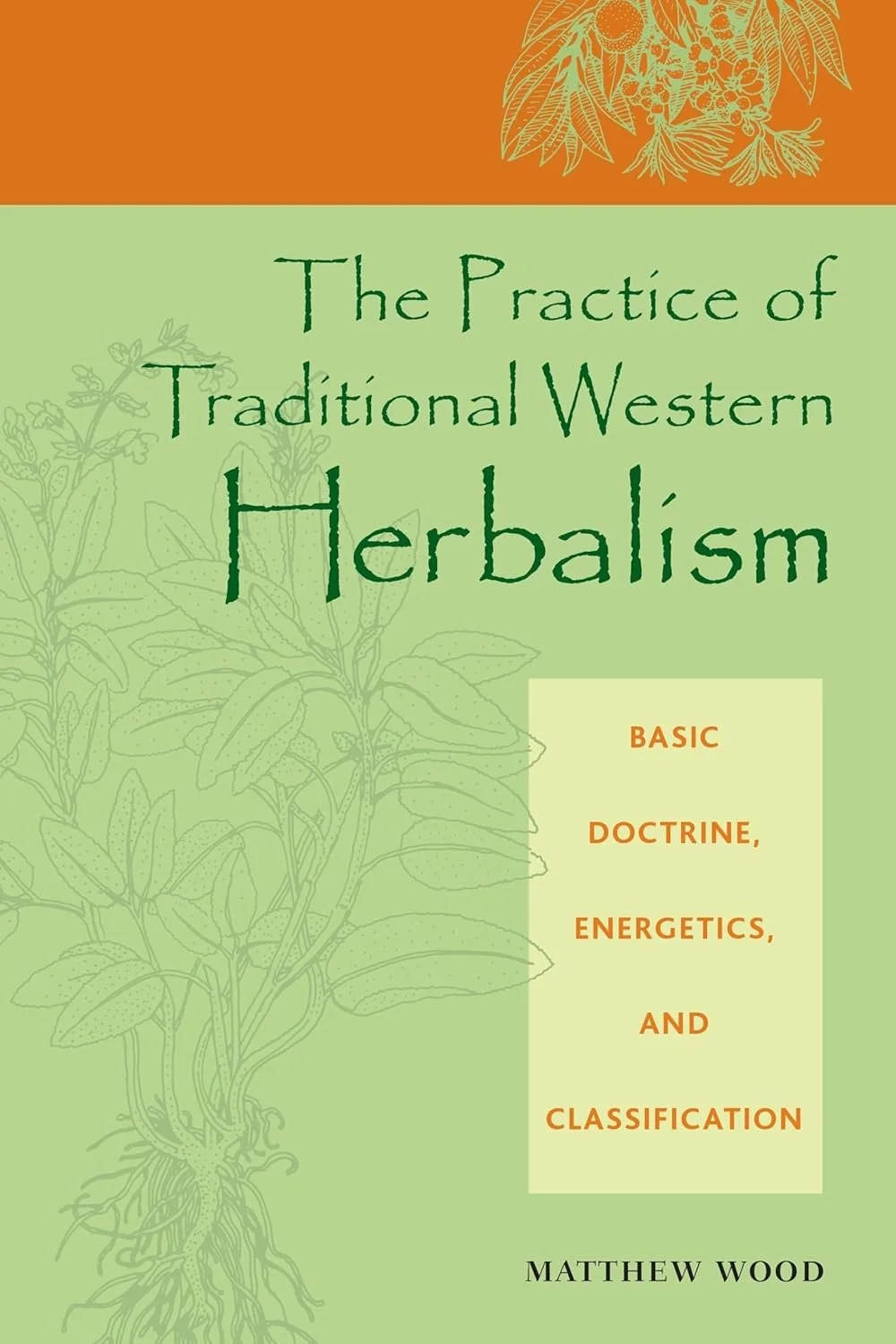
The Practice of Traditional Western Herbalism
by Matthew Wood
This is one of my favorite advanced herbal books. It is designed for clinical herbalists and those seeking a profound understanding of plants and people. Matthew Wood, the teacher of my own teacher, Sajah Popham, authored this book. I frequently reference it in my clinical practice. This book aims to assist in identifying the appropriate plant for specific conditions and tissue states. Instead of haphazardly determining the appropriate plant for a situation, this book establishes a framework of understanding to guide the selection of the correct herb. Wood teaches you how to access the condition of the body, its tissues, and constitutional states (hot/cold, moist/dry, relaxed/tense) and use the constitution of plants to balance ailments. Wood’s approach is about treating the whole person rather than just their symptoms. The overall strategy in this book is to help the body restore harmony.
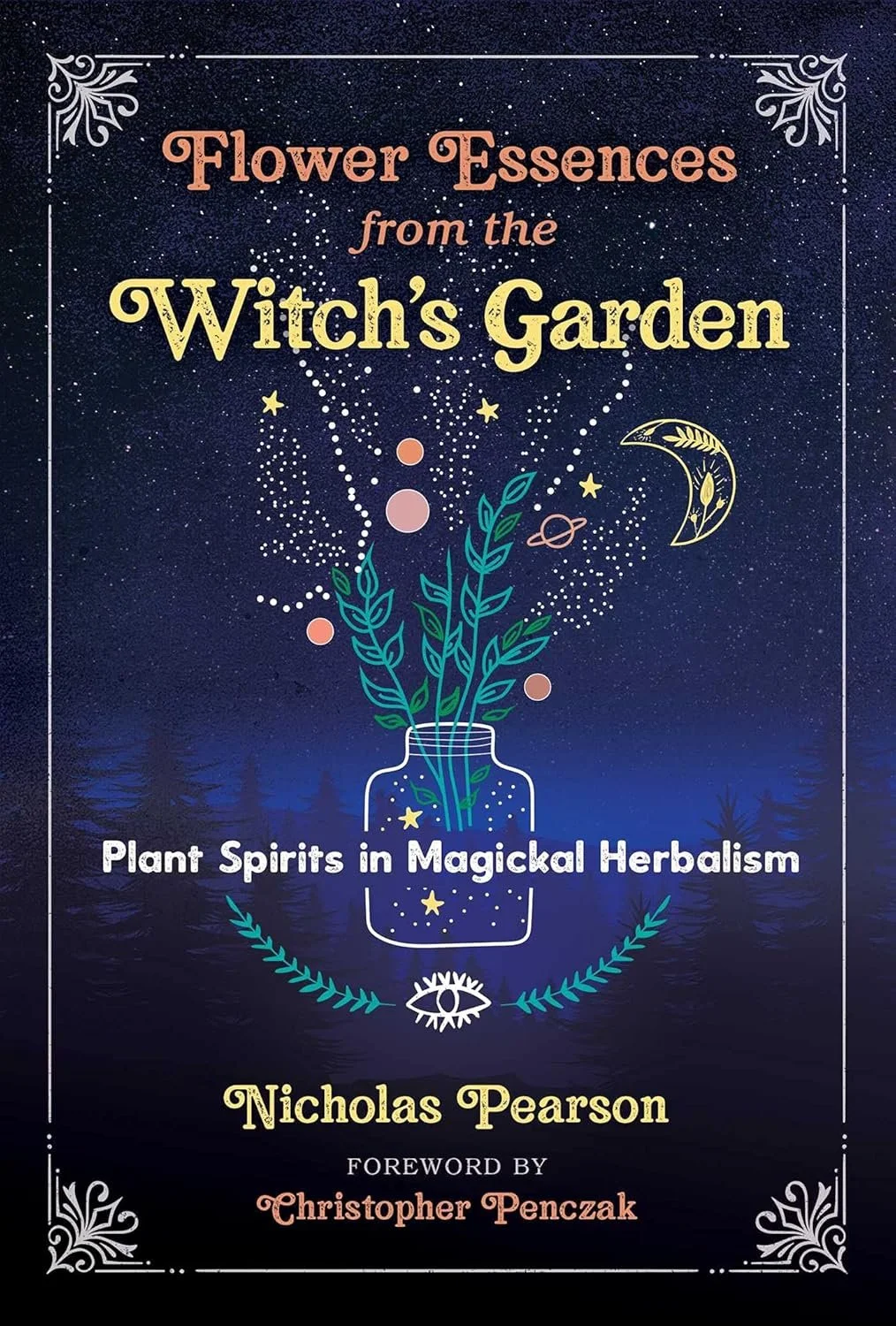
Flower Essences from the Witch’s Garden: Plant Spirits in Magickal Herbalism
by Nicholas Pearson
While there are many books on flower essences, this is my favorite one. Pearson provides detailed instructions on how to make and use flower essences, based on traditional Western magickal practices. He explains using flower essences in sacred spaces, candles, spells, and rituals. I enjoy his writing style and his perspectives on the spiritual meanings of various plants. There are over a 100 flower and plant essences in this book that will help you when trying to choose the right flower essence for your mental and spiritual health.